
The Girl’s Pride
Healthy HabitsInitiative
Healthy Habits Initiative
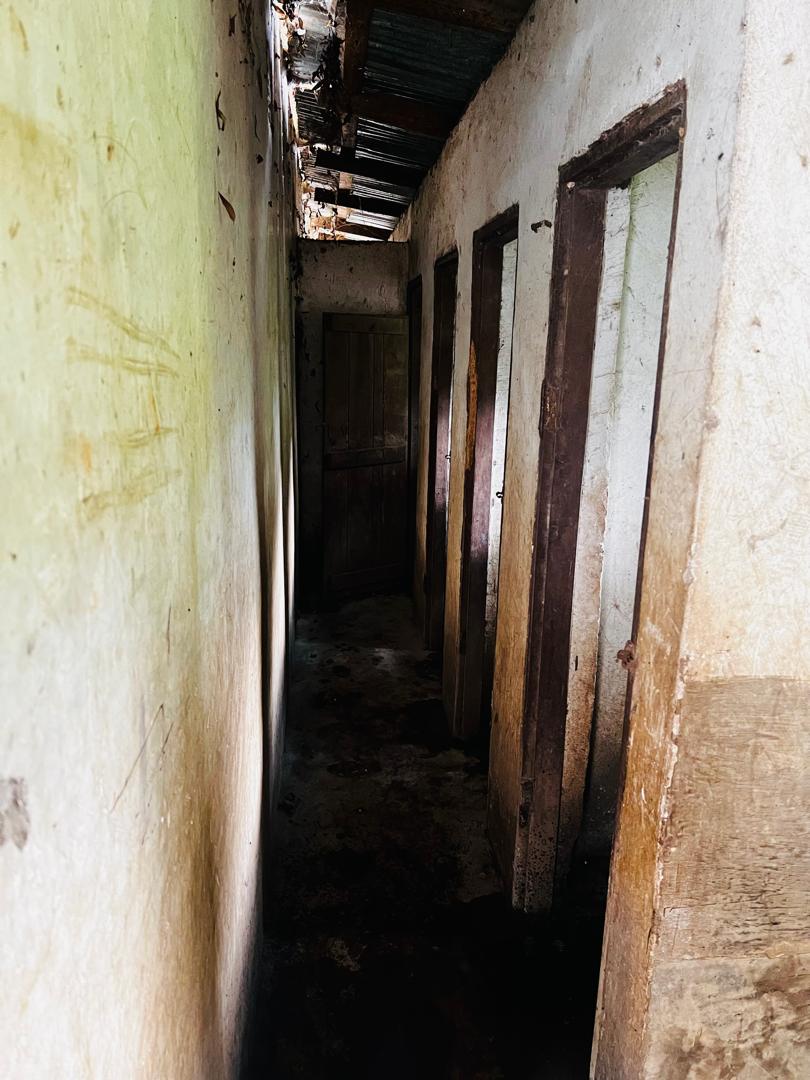
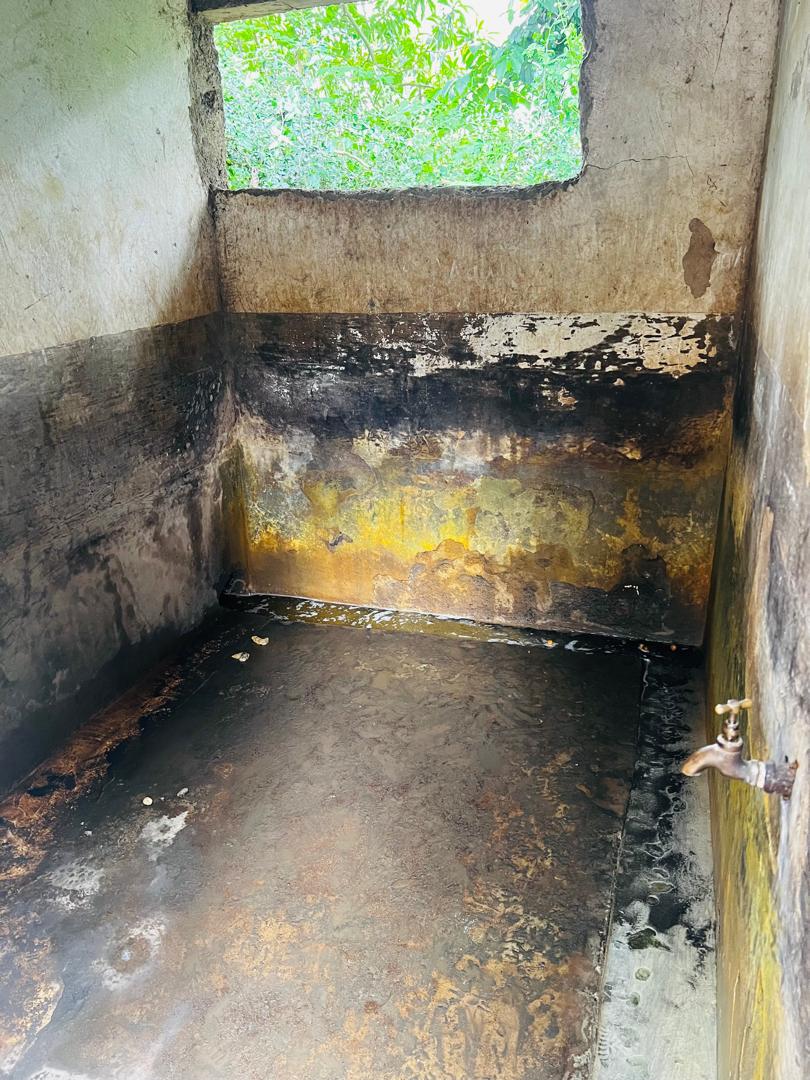
Toilet facilities in public schools remain a major concern, especially in rural areas. The government, NGOs, and international organizations have been working to improve sanitation and hygiene in schools, but challenges still exist.
In a wider context, menstruating girls are forced to struggle to manage their menstruation in a safe, comfortable, and dignified manner. In most cases, the scale of the crisis exacerbates the neglect of menstruating students’ needs, forcing some to choose between menstrual products and food, clothing, and other necessities. They often lack access to basic materials such as pads, cloths, and underwear needed to manage blood flow, water, and toilets, which, even when available, may lack doors, locks and lighting, or be inadequate to manage menstruation.
Purpose and scope
Healthy Habits Initiative aim is to improve the health and learning performance of students and, by extension, that of their families by reducing the incidence of water and sanitation related diseases. Every child- friendly school requires appropriate WASH initiatives that keep the school environment clean and free of smells and inhibit the transmission of harmful bacteria, viruses and parasites.
Impact of Inadequate Sanitation
Poor sanitation in schools has led to health issues like urinary tract infections, stomach problems, and diarrhea, causing increased absenteeism.
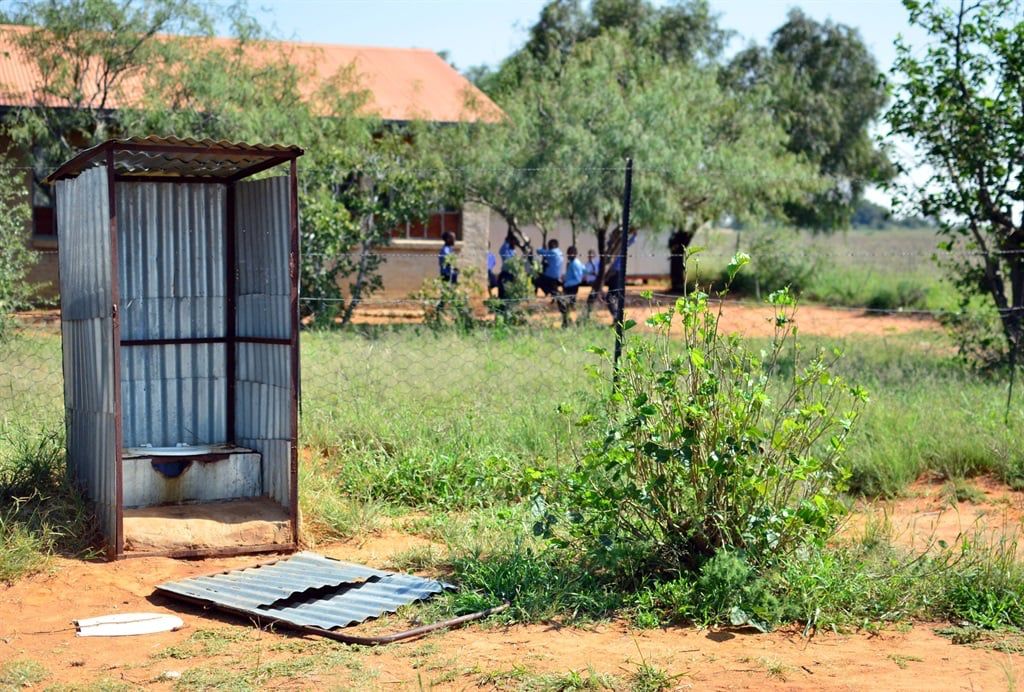
“Creating an environment for caring and unlimited learning in schools” as our tagline suggests, we intend to join forces that have already been put forward by other actors and government agencies to ensure that no child is left behind; this is by working with government schools that are in dire need of WASH facilities improvement, while following these guidelines as outlined by UNICEF:
- Develop adequate knowledge, attitudes and skills on hygiene through life skills-based hygiene education and child participation. Improving hygiene behaviour must go along with toilet construction and the provision of safe water and washing facilities in schools. Life skills-based hygiene education rests on the principle that new knowledge does not, by definition, translate into new practices. Therefore, life skills-based education seeks to instil hygiene practices into
the realities of children’s daily lives, helping them acquire the knowledge
of appropriate hygiene behaviours and the skills to use them. This approach considers the learning differences of various stages of child development
and addresses them in the programme design, allowing children to effectively transform knowledge into practice. - Actively engage parents and the community in WASH in Schools interventions.They are key partners during planning, implementation, operation and maintenance of facilities, and have important roles in monitoring the impact of WASH in Schools interventions and taking appropriate measures to improve children’s health. Parents and communities should also engaged in emergency preparedness and response plans, which address the operation and use of WASH facilities at schools during emergencies. https://inee.org/sites/default/files/resources/CFS_WASH_E_web.pdf
Healthy Habits Initiative not only promotes hygiene and increases access to quality education but also supports national and local interventions to establish equitable, sustainable access to safe water, clean toilets and other basic sanitation services in schools.